
MSP claims pylon payments 'are a bribe' to homeowners

Sites along the 66-mile route of SSEN’s Kintore-Tealing overhead line project have been included in the first round of a UK Government plan to give households living close to energy infrastructure projects a £250 annual discount on their bills
Customers living within 1,600ft (500m) of 43 transmission projects across Britain will be eligible for the payments for up to 10 years under the bill discount scheme.
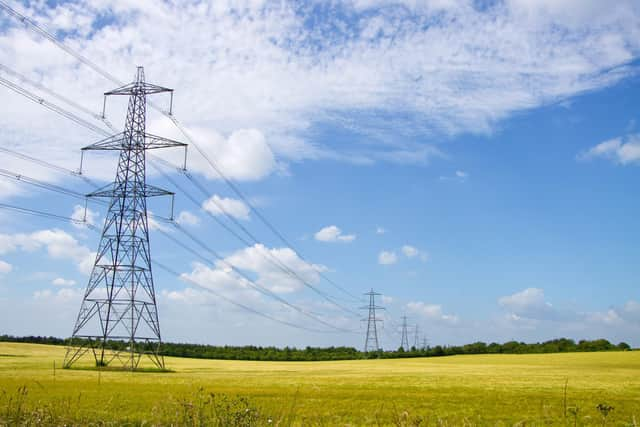

UK ministers have said that replacing and upgrading aging infrastructure is vital for distributing renewable power and improving energy security.
Critics, however, have argued that the discounts are poor compensation.
In the north east/Angus area, other included projects are:-
- Tealing - Westfield: Improvements to the line between Tealing and Westfield in Fife
- Emmock substation
- Kincardine North – Tealing. Upgrade project between Tealing and Kincardine, in Fife.
UK Energy Minister Michael Shanks said upgrading the grid is “a vital part of how we deliver secure, homegrown energy and unlock economic growth across the country.”
He added: “It's vital we build again as a country and we are determined those communities which host pylons should benefit, which is why we're bringing down the energy bills of those hosting this vital national infrastructure."
However, Scottish Conservative MSP Alexander Burnett, who has been a leading campaigner against the Kintore – Tealing project, said that the money will not compensate for the “profound emotional toll” of such projects.
He said: “These insulting payments are nothing more than a bribe to railroad pylons across Scotland.
“For residents living between Kintore and Tealing, I know these plans are causing significant hardship to those who own homes, with some already seeing their properties devalued by 20%. The risk of having these pylons on their doorstep is impacting people’s mental health.
“Labour and the SNP should listen to the thousands of objections, ensure the voices of residents are heard and give people the final say on infrastructure in their area.”