
Blanket 20mph limits rejected by councillors

The Scottish Government’s transport agency has said that a decision by Angus councillors not to adopt a national 20mph speed strategy is down to the individual local authority.
At a recenty meeting of the communities committee, members went against Transport Scotland plans and the advice of the council’s own roads officials in blocking the idea.
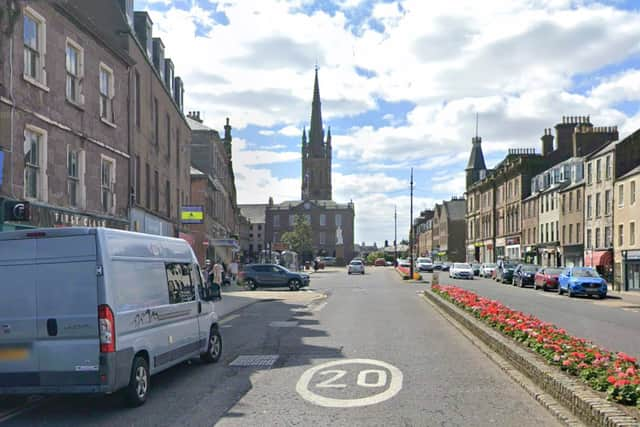

The transport body hopes to have the blanket scheme in place by the spring, with the aim of reducing accidents and making streets safer by bringing in a 20mph limit in built-up areas.
Early results in other local authority have seen collisions in 20-30 zones fall by more than 70%. The decision whether or not to apply it to appropriate streets rests with individual councils.
Dundee and Perth and Kinross have adopted the strategy, and Angus roads officials highlighted that point when the issue was discussed by the committee.
They also said it would help to deliver consistency for drivers in Angus towns and villages.
However, councillors unanimously agreed not to take the universal approach, citing a survey which saw more than 61% of 1200 respondents reject the proposal. Opponents suggested there would be a lack of compliance or police enforcement of 20mph limits.
Community calls for speed reductions or extra safety measures will be dealt with on a case-by-case basis. Officials said the council already receives more than 150 such requests annually.
A Transport Scotland spokesperson said: “We are committed to improving road safety and reducing casualties by introducing 20 mph limits on suitable roads across Scotland by March 2026. Research shows a pedestrian is seven times more likely to survive being struck at 20 mph than at 30 mph.
“Each local authority is best placed to decide where and how these limits should be applied. Early adopters, including Scottish Borders, have seen significant reductions in collisions. The Borders reported a 71% reduction in collisions within 20–30 mph zones. To build on this success, we are investing £10 million this year to help local authorities deliver 20 mph limits and create safer, more welcoming streets.”