
Warning system has been safeguarding lives for 25 years

A safety system introduced after the tragic loss of an Arbroath fishing boat in 1997 has marked its 25th anniversary.
The Westhaven sank with the loss of her crew on March 10, around 120 miles off the coast of Aberdeen after snagging an oil pipeline in near-perfect conditions.
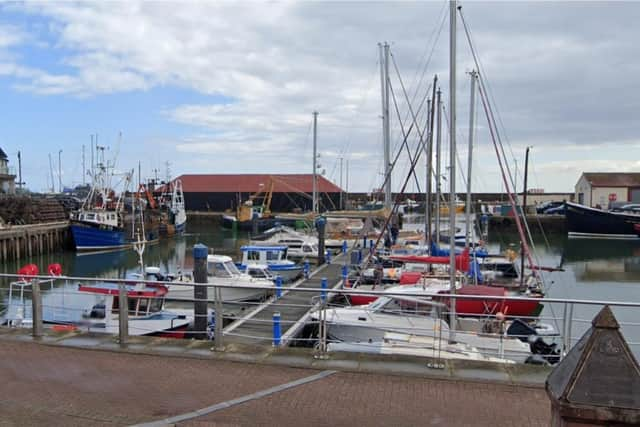

An incorrectly registered emergency positioning beacon led rescuers to the wrong Westhaven.
The real ship was located the following day.
George Pattison, Alan Cunningham, Mark Hannah and Chris Prouse all died in the tragedy.
Following the incident, FishSAFE was set up, an innovation that has fundamentally improved safety for fishermen working in the challenging environment of the UK Continental Shelf.
FLTC, along with SFF, NFFO and Seafish, have marked the anniversary of the system, which was created with a clear and vital purpose: to prevent fishermen from unknowingly encountering subsea hazards that could endanger lives, vessels and livelihoods. Today, that mission remains at the heart of everything FLTC does.
FishSAFE provides fishermen with accurate, up-to-date information on oil and gas infrastructure, helping them avoid dangerous interactions with pipelines, wellheads and other subsea obstructions.
These hazards, often invisible beneath the surface, have historically posed a serious risk of gear snagging, vessel instability and even capsizing.
Charles Scott, executive chairman of FLTC (which stands for U.K. Fisheries Offshore Oil and Gas Legacy Trust Fund Limited) said FishSAFE has made a tangible difference to the safety of fishermen working in some of the most challenging conditions anywhere in the world.
He said: “What began as a response to tragedy has become a vital, trusted tool that helps crews avoid unseen hazards and return home safely.
“This milestone is a testament to the power of collaboration between industries, and to our shared commitment to protecting lives at sea. We’re incredibly proud of what’s been achieved, and even more determined to keep building on that success for the future.”
Managed by Seafish’s Kingfisher team, the service provides data on thousands of offshore oil and gas structures and hazards. The information is delivered free of charge every six months and goes directly to vessels.
By linking the vessel’s GPS position to a comprehensive database of offshore infrastructure, the system continuously monitors the surrounding area and provides clear, timely warnings of potential danger.
Matt Frow, Kingfisher and geospatial services manager, said: “The Kingfisher team has been involved from the start, and this milestone is not just about longevity, but about the real impact the service has had in reducing risk at sea.”
Scottish Fishermen’s Federation chief executive Elspeth Macdonald added: “Having clear, reliable information makes a real difference, not just in avoiding costly gear loss, but in protecting lives. The system reflects what can be achieved when the industry works closely with others to address shared challenges.”