
RNLI issues advice on how to deal with jellyfish stings

The RNLI is warning that, with sea temperatures rusing, beachgoers are facing an increased danger of being stung by jellyfish.
Jellyfish are fairly common throughout the summer months in Scotland and it’s not unusual to spot them in blooms, either in the water or washed up along the coast.
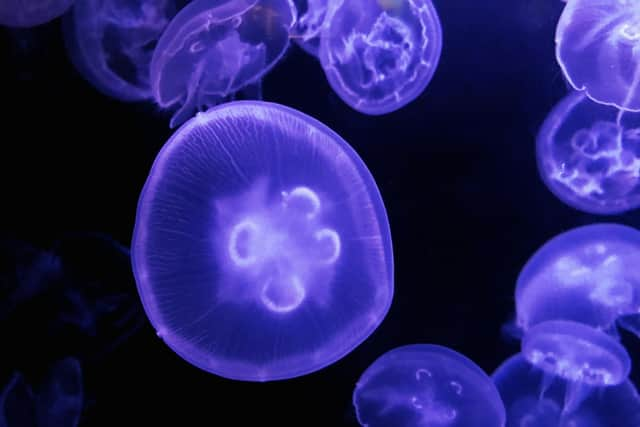

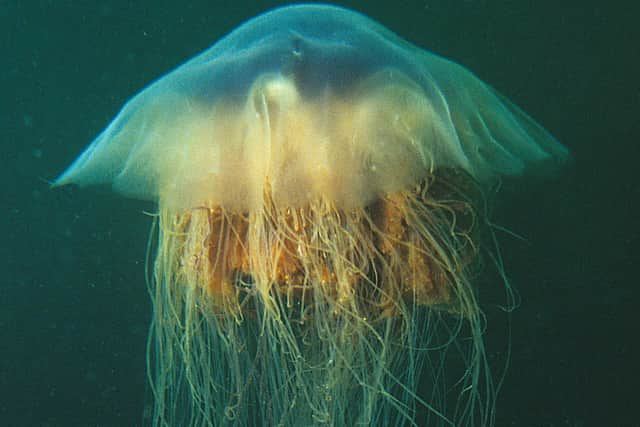
Moon jellyfish, which are translucent with four distinctive pinkish-purple spheres, are relatively harmless and have a mild sting whereas others, such as the large reddish Lion’s Mane jellyfish or Compass jellyfish, can cause painful stings.
Stings may cause redness, swelling or a stinging sensation. If this happens, and the beach has a lifeguard, let them know straight away so they can keep an eye on you and provide first aid if needed.
Avoid rinsing with fresh water or any substances with alcohol as this can worsen the sting. Instead, use a card to gently scrape off any remaining tentacles, then head back into the sea between the RNLI’s red and yellow flags. The cold salt water will help to soothe the pain and deactivate any remaining stingers.
If you start to feel unwell, or notice a rash or swelling, speak to a lifeguard immediately as it may be signs of an allergic reaction.
A spokesperson said: “RNLI lifeguards are trained in casualty care and provide support for everything from jellyfish stings and cuts, to more serious emergencies like suspected heart attacks, spinal injuries or anaphylactic shock.
“Whether you need minor first aid or urgent help, don’t hesitate to ask – that’s what they’re there for.”