
McDonald’s staff clean up at Monifieth beach
Local McDonald’s volunteers in Monifieth recently rolled up their sleeves to take part in the Great British Spring Clean as part of the community’s effort in keeping the area tidy.
The Great British Spring Clean is an initiative that encourages ongoing, community-led litter picking across the UK.
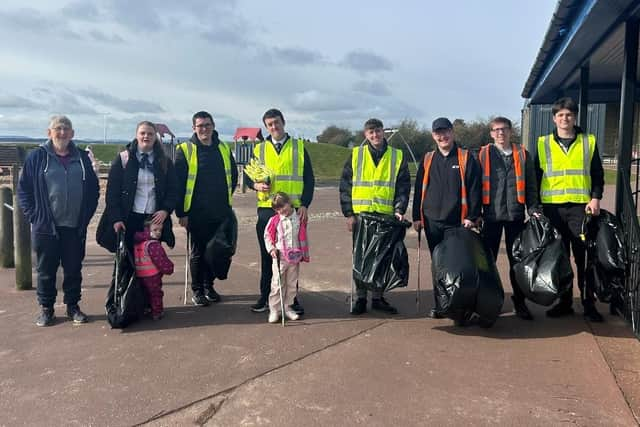

In April, eight crew members from the Monifieth restaurant, owned and operated by local Franchisee Nick McPartland, collected an impressive 12 bags of rubbish across Monifieth beach despite the cold weather.
Volunteers split into groups to ensure a thorough clean-up, making a visible difference to their local environment and helping to protect local wildlife.
The team was supported by local charity Angus Clean Environments, highlighting a strong spirit of collaboration in keeping the community tidy.
Mr McPartland, who co-ordinated the initiative, said: “Seeing our teams step up and give their time to support the local area and take part in the litter pick has been incredibly rewarding.
"Their efforts to keep Monifieth beach and the wider spaces in our town clean and litter-free helps to create a better and brighter place for those that live here. It’s inspiring to see our people come together in this way shows the passion and pride they have in the communities they serve.”
For more than 35 years, McDonald’s crew members have been actively helping to keep local communities’ litter-free.
Across the UK, our restaurant teams carry out three litter patrols every day around each restaurant, collecting all litter in the surrounding area, not just McDonald’s packaging. Together, this covers around 5,000 miles each week.
McDonald’s addresses litter in communities in multiple ways, both by organising regular litter picks and by ensuring our packaging can be recycled. As part of its mission, the brand has been working to make recycling easier, and has installed recycling units in all restaurants, making it easier to separate plastics.
Used cooking oil is also collected from kitchens and converted into enough biodiesel to power more than half of its delivery fleet.