
Call to change attitudes to mental health

A national organisation is calling on Angus residents to rethink mental health stereotypes to help those suffering from stigma related to their conditions.
Stigma continues to be a major barrier for people with experience of a mental illness – even facing stigma and lack of support from those closest to them. More than nine in 10 people with experience of a mental illness say that they have faced stigma in relationships with family and friends.
See Me, the national programme to end mental health stigma and discrimination, has said that people in Angus can do their part and help change this by rethinking their attitudes and showing greater support and understanding.
Much of the discriminatory behaviour people face stems from public prejudice which is a key barrier to people speaking up and seeking help with their mental health and often influenced by a misleading image presented in the media and on social media.
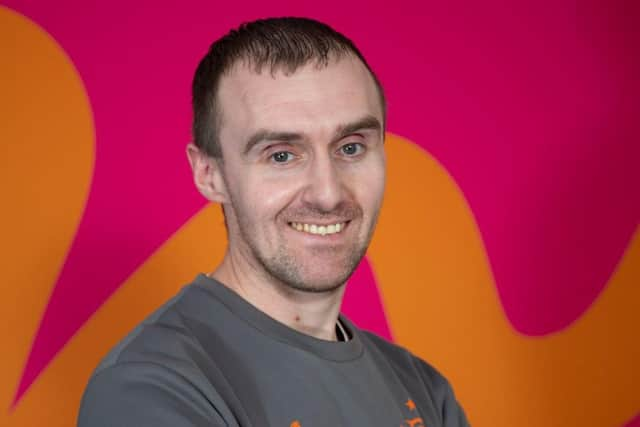

See Me volunteer Tommy Kelly is backing the programme’s call for change, saying that stigma from those closest to him has had a major impact on his life. Tommy said he is still faced with judgement from family when he publicly discusses his mental health journey, but says he understands the benefits of sharing his story outweigh their reactions.
When he was first diagnosed with an eating disorder, his close family thought it was a threat.
He said: “They believed that I was trying to get attention from my dad because I had just lost my mum. To this day, some still don’t speak to me because I speak out in the media about mental health. They say I’m trying to portray myself as a victim. When you're going through these problems, you hate yourself enough. So, when somebody close to you says something like that, it made me believe that they must be right.”
However, he understands that they come from “different generations” where mental health and more complex mental illnesses were not discussed or information about them was not as accessible.
Tommy said that although he knew his father came from a background where “men don’t speak about their problems,” he was the one who offered support to help him recover.
He added: “My dad said to me, ‘I’ve lost my wife, I don’t want to lose my son, and I love you. You can tell me anything and I'll be there to support you.’ And my dad always was.”
When it comes to advising family and friends of someone who lives with a mental health condition, Tommy said listening and being nonjudgmental can go a long way.
See Me director Wendy Halliday said: “When we hear politicians speaking about the ‘overdiagnosis’ of mental health problems or conversations about cuts to benefits which have the potential to impact people with experience of mental ill health, it legitimises stigma and discrimination. It is important that we all challenge these harmful views.
“If someone close to you has experienced poor mental health or a mental illness, it’s important to avoid judgement, to understand what it feels like and to understand what you can do to support.”
Show your commitment to ending stigma by signing up to the See Us movement at seemescotland.org/SeeUs.