
Holyrood View - Making difficult decisions to help build flood resilience
The anniversary of Storm Babet is imminent, and residents impacted in Tannadice, Brechin and across the wider Angus North and Mearns constituency find themselves, three years on, still in a state of flux, writes Dawn Black MSP.
Angus Council has finally made a decision regarding River Street, Brechin that will have long lasting effects on families and their homes.
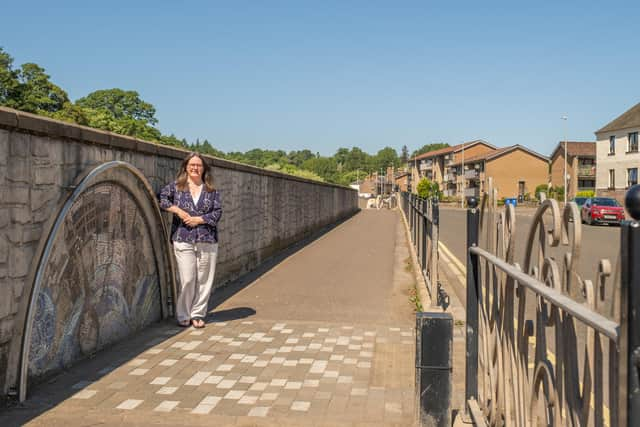

The existing flood protection scheme, designed to provide a one-in-200-year standard of protection, was overwhelmed by Storm Babet and has been deemed by councillors to require an upgrade.
The council has approved a plan that could cost around £8.2 million to uplift the existing flood wall, while making the painful but necessary decision to demolish around 150 properties, including privately owned homes, as part of a longer-term adaptation strategy.
We must recognise that making this call in the face of harsh climate realities and severe economic constraints was a brave and pragmatic decision.
However, the residents and businesses of Brechin are the real victims here. It is their homes, their memories, and their daily lives that have been upended and changed forever.
It’s vital we ensure that the residents and businesses are properly supported and treated fairly.
If the national position is that some areas must adapt rather than rebuild, then local people cannot be left to pay the price for a changing climate from their own pockets.
We must build wider resilience and any future mitigation plans should be developed with residents, rather than having things done to them, ensuring those who have experienced flooding have a meaningful role in shaping what happens.
My recent interactions with SEPA have reinforced the immense challenges facing our rural communities, including the severe impact that changing rainfall patterns have on agriculture, local enterprise, and infrastructure.
We cannot wait for another natural disaster before preparing. Building flood resilience means acting now to protect homes, livelihoods and local economies before disaster strikes.
It means working with nature, strengthening infrastructure and empowering communities to shape their own future.