
Rivers feel pressure of long dry summer
Prolonged dry weather continues to put pressure on rivers in Angus, with the North Esk remaining at Significant Scarcity as eastern Scotland experiences the effects of a dry spring and summer.
The latest weekly report from the Scottish Environment Protection Agency (SEPA) lists North Esk among four areas currently at Significant Scarcity. The other three are North Fife, Fife (East Neuk) and Stonehaven.
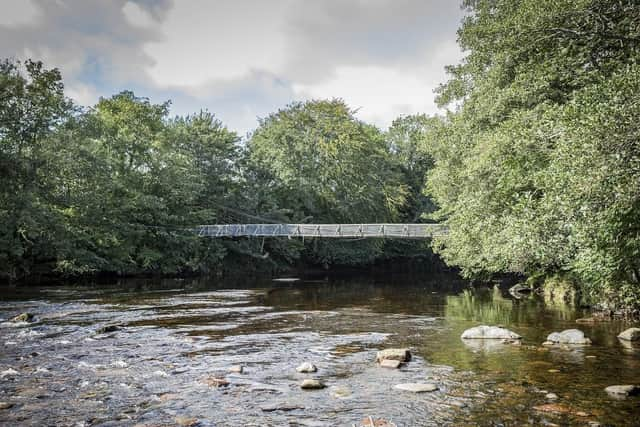

Four further areas are now approaching the same level, including Tay Estuary (North), Whiteadder Water, Berwickshire Coastal and Lower Dee and Water of Feugh.
SEPA said that six of the eight areas have already experienced Significant Scarcity this year.
Although recent showers have provided some temporary improvement, the agency said river flows remain low to very low across much of eastern Scotland.
Ground conditions remain dry, while groundwater levels are also low to very low across much of the region.
SEPA Senior Leader in Compliance, Eilidh Johnston, said the recent rain had not reversed the effects of the prolonged dry weather.
She said monitoring showed that showers had provided some short-term recovery, but rivers had fallen again and the underlying deficit had not been replenished.
Ms Johnston said the amount, location and duration of rainfall were all important in determining whether rivers, soils and groundwater could recover.
The current conditions are also being closely monitored because of their impact on licensed water abstraction.
SEPA carries out compliance inspections when areas reach Significant Scarcity to ensure temporary restrictions on licensed abstraction are being followed.
Inspections in Fife have found 100 per cent compliance, while SEPA officers have also seen investment in off-line water storage.
The storage allows water collected when supplies are available to be used later, reducing pressure on rivers when flows are critically low.
While most seasonal irrigation has ended, some farmers still require water for later crops, including brassicas.
SEPA is urging businesses that abstract water to continue checking the latest water scarcity information, follow their water scarcity plans and use water efficiently.
Significant Scarcity is reached when river flows at a representative monitoring station remain below Q95 for 30 consecutive days.
Q95 represents an exceptionally low flow which, based on long-term records, would occur on average for only 18 days each year.
If low flows continue and the four areas currently approaching the threshold reach Significant Scarcity, affected licence holders will be required to stop abstracting water.
SEPA said restrictions are targeted and temporary, and will be reviewed and lifted when conditions improve sufficiently.
The agency publishes weekly Water Scarcity Reports throughout the summer, using information from its environmental monitoring network.
People can also check conditions using SEPA’s online Drought Risk Assessment Tool.