
Angus bathing waters achieve top rating in annual SEPA survey

Bathing waters around the Angus coast have achieved the top level in the latest classifications by the Scottish Environment Protection Agency (SEPA).
The 2026 bathing water survey shows the national picture across Scotland’s coasts and inland waters. The majority of designated bathing waters continue to meet high environmental standards, with 47 rated Excellent and 26 rated Good for the year ahead.
A further 13 bathing waters are classified as Sufficient, and three coastal locations remain Poor. In total, 82% bathing waters achieve Good or Excellent, and 97% meet required standards, reflecting the progress delivered through regulation, investment and sustained partnership working since classifications were first introduced in 2015.
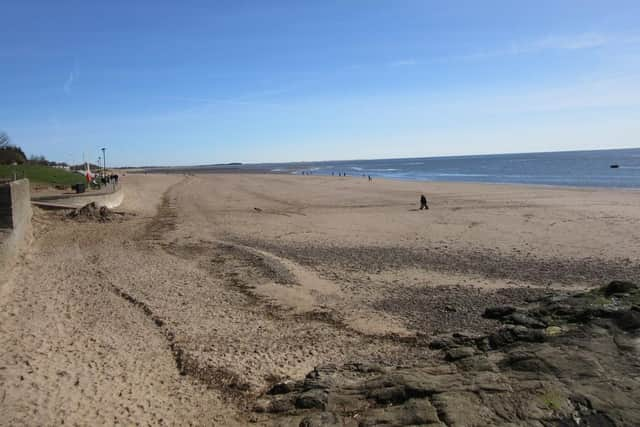
In and around Angus, Arbroath (West Links), Broughty Ferry, Carnoustie, Lunan Bay, Monifieth and Montrose were all rated as Excellent.

As environmental regulator, SEPA monitors water quality across all 89 designated bathing waters during the summer months from May 15 to September 15, working with Scottish Water, local authorities, land managers and communities to identify issues and support action.
Classifications are based on a four-year rolling dataset, meaning both long-term improvements and isolated high results can influence year-to-year changes.
These results reflect that pattern. Several bathing waters have improved their classification and consistently strong results across the dataset reflect on the ground improvements. Others have moved down a category where one or more elevated results affected the four-year picture.
Where necessary, SEPA will continue to focus improvement work at these locations to support recovery and long-term resilience.
For the 2026 season, Kinghorn Harbour and Lower Largo in Fife, and Fisherrow Sands in East Lothian remain classified as Poor. Each location is supported by a tailored improvement plan which can involve SEPA, Scottish Water, local authorities and land managers as appropriate.
This work can include targeted investigations into pressures on local drainage and wastewater networks, action to tackle diffuse pollution, misconnection tracing and enhanced monitoring at key points in the catchment. SEPA will provide updates on progress at these sites ahead of the 2026 bathing season.
Dr Ruth Stidson, principal scientist for bathing waters at SEPA, said: “Scotland’s bathing waters continue to perform well overall, with most achieving Good or Excellent status for the year ahead. The progress made over the past decade reflects significant investment and strong partnership working across the country.
“As we look to the future, our priority is driving improvement at the most impacted locations and building resilience across the wider water environment. With changing weather patterns and increasing pressures on drainage and wastewater systems, ongoing regulation is essential. We are committed to reducing pollution at source, protecting public health, and providing clear, accessible information for everyone who enjoys Scotland’s waters.”